At What Age Do Most People Go Into Assisted Living?
January 21, 2026
The Short Answer Most Families Want to Know
Most people move into assisted living between the ages of 75 and 85, with the average resident being around 83 years old. That said, age alone is rarely the deciding factor. Many adults move in earlier, while others wait until their late 80s or 90s. What matters most is how well someone can live safely, comfortably, and independently at home.
If you are wondering whether it might be time for assisted living for yourself or a loved one, you are not alone. This question often comes up during moments of change, concern, or uncertainty. Understanding the typical age range can help, but knowing the signs and options matters even more.
What Is the Average Age for Assisted Living Residents?
National data and senior care studies consistently show that most assisted living residents are in their early 80s. This age range reflects a point in life when daily tasks may become harder to manage without support.
Common reasons people move into assisted living around this age include:
- Increased risk of falls
- Trouble managing medications
- Memory changes
- Difficulty with cooking, cleaning, or personal care
- Social isolation
Some residents are younger and living with conditions such as Parkinson’s disease, early stage dementia, or chronic illnesses that require daily support. Others are older adults who simply want a safer, more supportive environment.
Why Age Alone Does Not Determine When It Is Time
There is no official age requirement for assisted living. Instead, families and care professionals look at daily needs and overall quality of life.
Two people of the same age may have very different care needs. One person may still drive, cook, and manage a home independently. Another may struggle with balance, memory, or basic self care.
Assisted living is about support, not age. The goal is to help residents maintain dignity, independence, and comfort while reducing stress and safety risks.
Common Reasons People Move Into Assisted Living Earlier
Some adults move into assisted living in their late 60s or early 70s. This often happens when health challenges appear sooner or when living alone becomes unsafe.
Common reasons for an earlier move include:
- A recent fall or hospitalization
- Progressive conditions such as dementia or Parkinson’s disease
- Difficulty managing diabetes or medications
- Loss of a spouse or primary caregiver
- Increasing loneliness or depression
In these cases, assisted living can provide stability, routine, and peace of mind for both residents and families. Services like
Memory Care or
Parkinson’s Care may be especially helpful.
Signs It May Be Time to Consider Assisted Living
Many families ask not just about age, but about signs that indicate it may be time for more support.
Some common signs include:
- Missed medications or confusion about dosages
- Poor nutrition or skipped meals
- Noticeable memory loss or confusion
- Difficulty bathing, dressing, or using the bathroom
- Unsafe driving or wandering
- Frequent falls or balance issues
- A home that is no longer being maintained
If several of these signs are present, assisted living may offer a safer and more supportive option than staying at home alone.
How Assisted Living Supports Independence at Any Age
A common concern is that moving into assisted living means giving up independence. In reality, the opposite is often true.
Assisted living provides help where it is needed while allowing residents to stay involved in their daily routines. Support may include:
- Assistance with personal care
- Medication management
- Home cooked meals
- Housekeeping and laundry
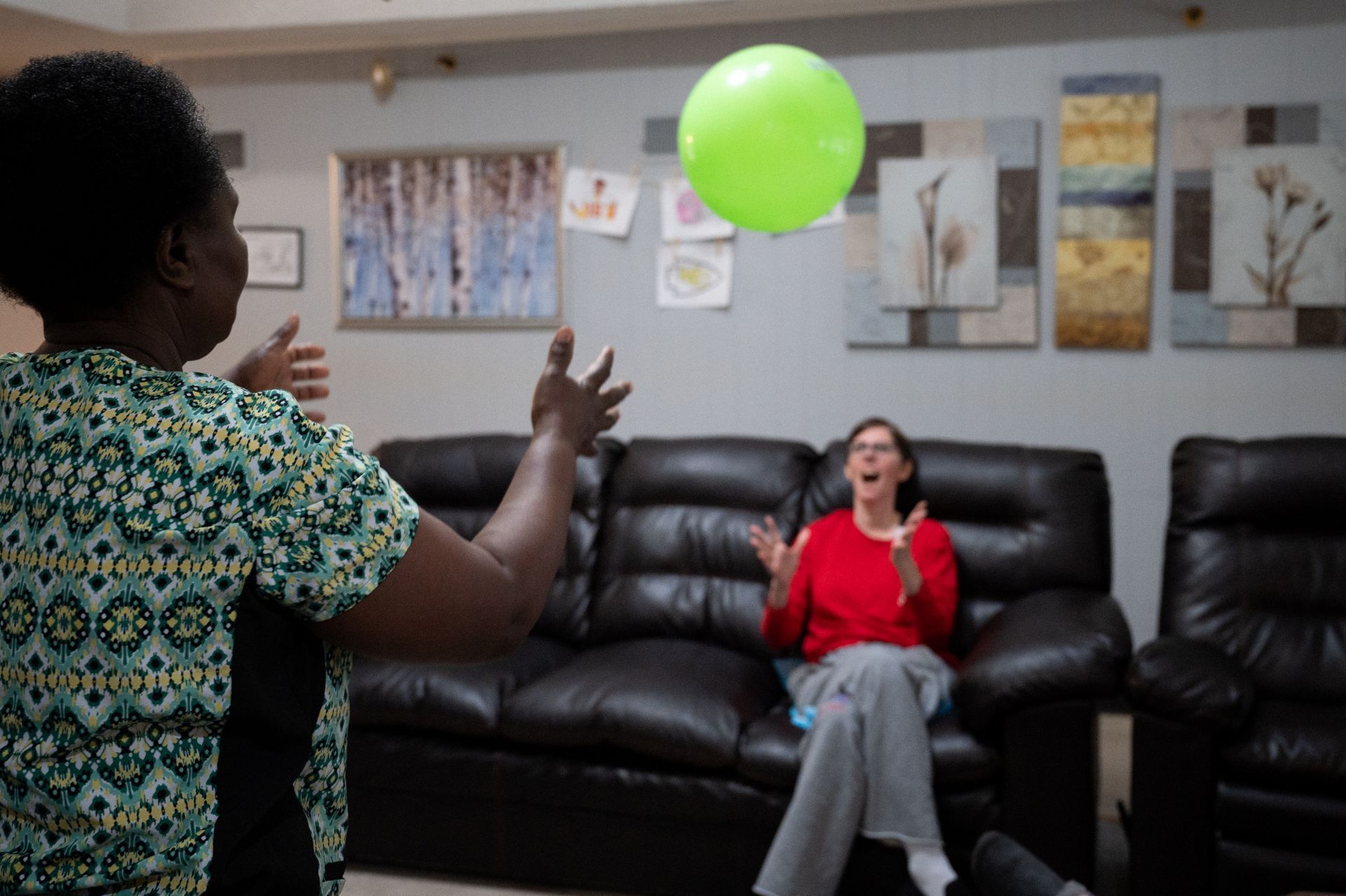
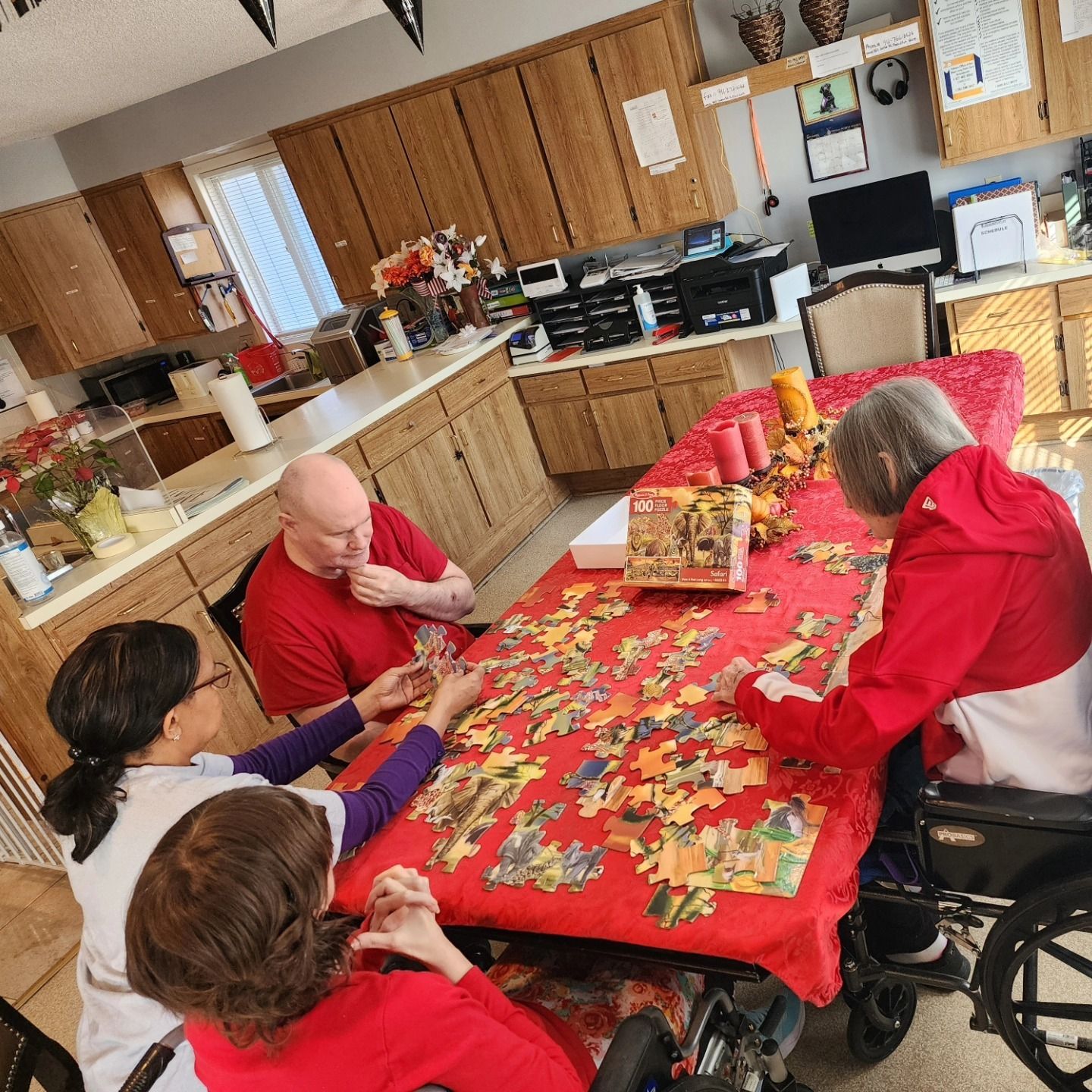
- Social activities and engagement
- On site nursing support
At Sparkling Fountain Homes, our small home setting and 4:1 resident to staff ratio allow for highly personalized care. Residents receive support without feeling rushed or overlooked.
Emotional Factors Families Often Face When Deciding
Deciding when to move into assisted living is emotional. Adult children may worry about making the decision too early or too late. Seniors may fear losing control or familiarity.
It can help to reframe assisted living as a proactive choice, not a last resort. Many residents and families say they wish they had made the move sooner, once they see improvements in safety, health, and social connection.
Having open conversations and touring a community together can ease fears and build confidence.
Why Smaller Assisted Living Homes Can Feel Different
Not all assisted living communities are the same. Smaller, nurse owned homes often provide a quieter, more personal environment compared to large facilities.
Benefits of a smaller assisted living home may include:
- Consistent caregivers
- Strong relationships between staff and residents
- Less noise and stimulation
- More flexibility in daily routines
- Care led by licensed nurses
This model can be especially comforting for residents with memory loss or chronic health conditions. Families exploring
Long Term Care or
Dementia Care often find this setting offers greater peace of mind.
A Local Perspective for Overland Park Families
For families in Overland Park and surrounding Kansas communities, choosing assisted living often means balancing care needs with the desire to stay close to home.
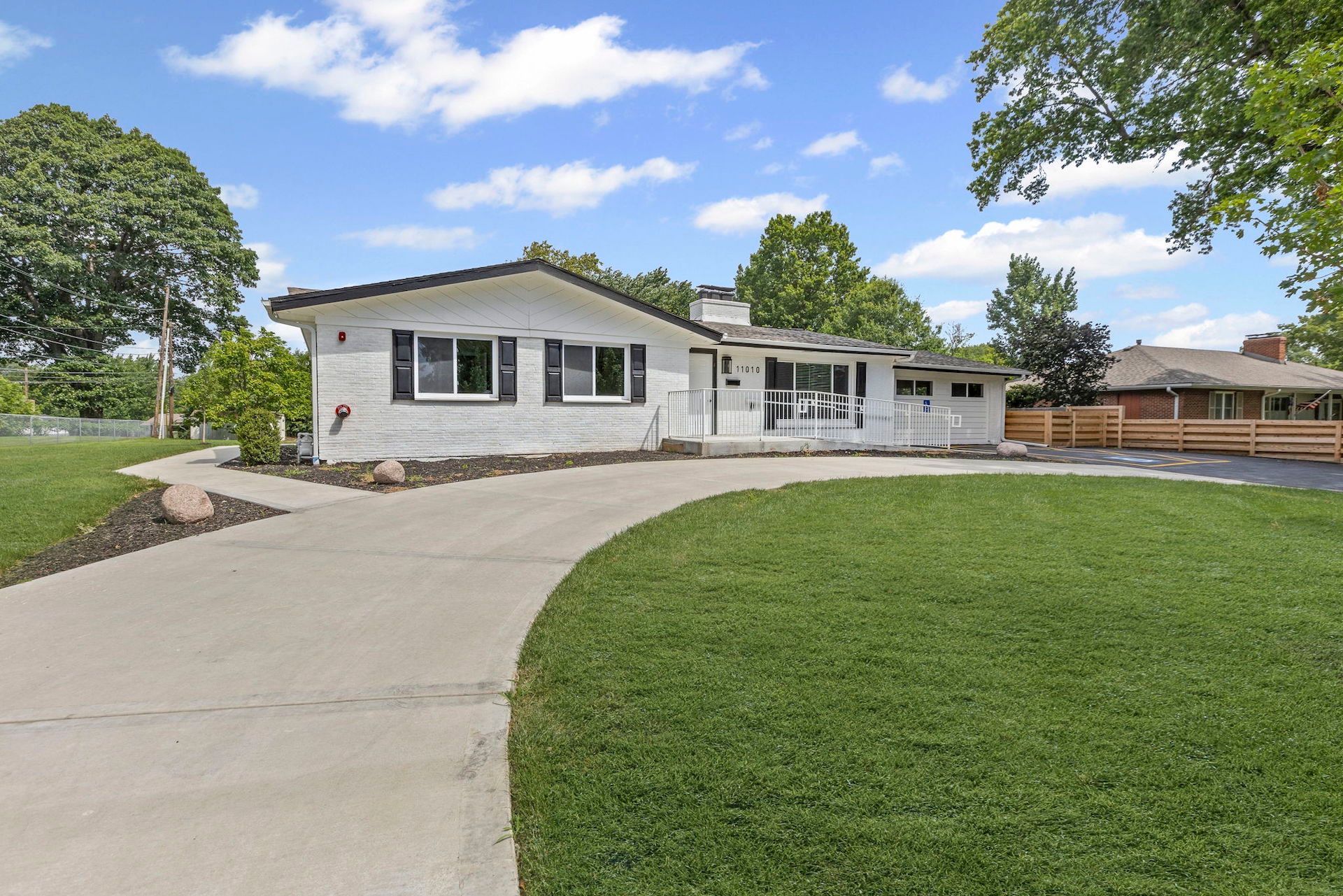
Sparkling Fountain Homes provides assisted living and specialized care in a residential setting, allowing residents to remain part of a familiar community. Our homes are licensed and staffed by registered nurses who understand both the medical and emotional aspects of aging.
Take the Next Step With Confidence
If you are asking what age most people go into assisted living, it may be time to explore options and gather information. You do not have to make a decision right away.
We invite you to schedule a tour or speak with our care team to discuss your situation. Seeing the environment and asking questions can help you decide what feels right for you or your loved one.
Contact us today to get started, or reach out to learn more about life at Sparkling Fountain Homes.